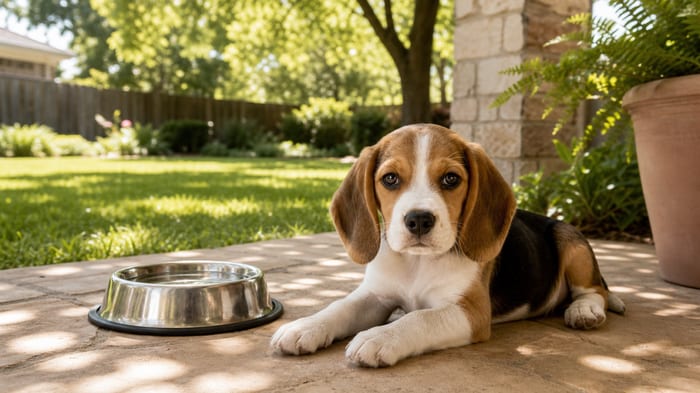
People usually ask for the “best apartment dogs” expecting a list of the tiniest breeds. Size is part of it, but it’s rarely the part that decides whether you and your downstairs neighbor stay on good terms. What actually fits a Dallas high-rise or an Arlington walk-up is a dog that’s quiet, settles easily, and doesn’t need a half-acre to burn off the day. This guide walks through what to look for, names breeds that tend to deliver it, and ends where it should begin — with the fine print in your lease.
Why Small Isn’t the Whole Story
A four-pound dog that barks at every elevator ding is a worse apartment neighbor than a calm thirty-pound dog that sleeps through the afternoon. Three traits matter more than the number on the scale:
- Noise level. Shared walls turn a vocal dog into a daily problem. You want a breed that alerts once and lets it go, not one that narrates the whole hallway.
- Energy and off-switch. The best apartment dogs play hard for twenty minutes, then crash. A dog that paces when under-exercised will find ways to remind you.
- Tolerance for being alone. If you work outside the home, a dog prone to separation distress will struggle in a small space, and the whole floor hears about it.
Get those three right and footprint takes care of itself. Plenty of larger breeds make easy apartment dogs precisely because they’re low-key indoors.
Breeds That Tend to Fit a DFW High-Rise
No breed is a guarantee — individual temperament varies, and how you raise a puppy shapes the dog as much as genetics. But some breeds start with the right wiring for close-quarters living.
Small and quiet, low to moderate energy
- Cavalier King Charles Spaniel — gentle, people-focused, content to be a lap dog between short walks. Among the calmest small breeds you’ll meet.
- Cavapoo — the Cavalier’s easygoing nature with a low-shedding coat, which matters in tight air-conditioned spaces all summer.
- Maltese / Maltipoo — tiny, attached, generally quiet once settled; light coats that suit indoor life.
- Shih Tzu — bred to be a companion, not a worker; happy with a couple of leisurely walks a day.
- French Bulldog — short coat, low exercise needs, famously couch-loving. Watch the heat (more on that below), and know they can be vocal in their own grumbly way.
Larger but mellow indoors
- Greyhound (if you adopt or find one) — the classic surprise: a sprinter that’s a champion napper at home.
- Bichon Frise — playful but small and adaptable, with a low-shedding coat many allergy-conscious renters prefer.
If low shedding is a priority — and in a sealed apartment with recirculated AC, it often is — the doodle and poodle-cross families are worth a look. Comparing a Cavapoo’s needs against a Cockapoo’s is a useful way to weigh energy level before you commit.
The Part Most Renters Skip: Read the Lease First
This is where apartment dreams stall, so handle it before you fall for a puppy. DFW leases commonly carry three restrictions, and they’re enforced more often than people expect.
- Weight limits. Many properties cap dogs at 25, 35, or 50 pounds. A breed that’s fine at eight weeks may cross the line full-grown, so plan around the adult weight, not the puppy.
- Breed restrictions. Restricted lists vary by property and insurer, but commonly named breeds include Pit Bull-type dogs, Rottweilers, Doberman Pinschers, German Shepherds, and sometimes Huskies, Akitas, or Chows. These lists are about insurance, not the individual dog — but the lease still wins.
- Pet count, fees, and deposits. Most DFW complexes allow one or two pets, charge a non-refundable pet fee plus monthly “pet rent,” and may require proof of vaccination.
Get the rules in writing. Ask for the property’s pet policy as a document, confirm the weight limit and any breed list, and keep a copy. A verbal “sure, that’s fine” from a leasing agent won’t help if a new property manager reads the file differently next year.
Setting Up a Small Space for a Puppy
A studio off McKinney Avenue and a one-bedroom in Mansfield prep the same way: define a zone, manage the bathroom problem, and plan for the elevator-to-grass gap.
- Carve out a den. A crate or a gated corner gives a puppy a place that’s theirs, which calms a dog faster than the run of an open floor plan.
- Solve potty access early. Higher floors mean a longer trip to grass than a young bladder can hold. Pads or a balcony turf patch bridge the early weeks; map your nearest patch of real grass before pickup.
- Check the balcony. Toy breeds slip through railing gaps more easily than you’d guess. Block the gaps before the puppy explores.
- Build in enrichment. Small space, busy mind — chew toys and short training games tire a puppy out better than a cramped lap of the living room.
A North Texas Caveat: Heat and Pavement
Apartment living in DFW means more sidewalk time and less backyard, and that runs straight into our summers. From late spring into fall, afternoon pavement gets hot enough to hurt paw pads — press the back of your hand to it for seven seconds, and if you can’t hold it, neither can your dog. Walk early or after sundown, and keep outings short when it’s in the upper 90s.
Flat-faced breeds need extra care. A French Bulldog, Pug, or Shih Tzu can’t cool itself the way a longer-nosed dog can, so a 100-degree afternoon is a stay-inside day with the AC running. Watch for heavy panting, drooling, or a dog that suddenly goes flat, and cool things down at the first sign.
Matching the Dog to How You Actually Live
The honest filter isn’t “which breed is best” — it’s “what does my week look like?” A renter who’s home most of the day can manage a more attached, velcro-style companion like a Maltese. Someone gone nine hours should lean toward a breed that handles alone-time better and arrange a midday walk regardless.
If you’re still narrowing it down, the smaller companion breeds we keep across DFW cover most of the calm, apartment-friendly picks in one place, and a steady favorite worth meeting is the Cavalier King Charles Spaniel — about as easygoing as small dogs get. Availability changes daily, so it’s worth seeing who’s actually home before you decide.
Apartment Dog Questions, Answered
What is the best low-maintenance dog for an apartment?
For most renters it’s a small, quiet companion breed with a built-in off-switch — a Cavalier King Charles Spaniel, Shih Tzu, or Maltese, for example. They’re content with a couple of short daily walks and don’t need a yard, which is the real constraint in an apartment. “Low-maintenance” still means daily walks, training, and grooming, but these breeds keep the indoor demands modest.
Do landlords in Dallas–Fort Worth really enforce breed and weight limits?
Yes. Many DFW properties enforce weight caps (often 25–50 pounds) and maintain breed-restriction lists tied to their insurance. Always get the pet policy in writing before you sign, and plan around your dog’s full-grown adult weight rather than its puppy size.
Are big dogs ever good apartment dogs?
They can be. Indoor energy matters more than size — some larger breeds, like Greyhounds, are famously low-key and sleep most of the day. The catch is the lease: a calm 60-pound dog still won’t pass a 35-pound weight limit, so check the rules before you fall for a bigger breed.
How do I keep a puppy from barking and bothering neighbors?
Choose a breed that isn’t prone to nuisance barking, then meet its exercise and mental-stimulation needs so boredom doesn’t turn into noise. Crate training, a consistent routine, and gradual practice with being alone all reduce the barking that comes from anxiety in a small space.
Which apartment-friendly breeds are best for allergies?
Low-shedding breeds like the Bichon Frise, Maltese, and the poodle crosses (Cavapoo, Maltipoo, Cockapoo) are popular with allergy-conscious renters, especially in sealed, air-conditioned apartments. No dog is truly hypoallergenic, but these coats release less dander into a small recirculated space. Spend time with the breed first to gauge your own reaction.