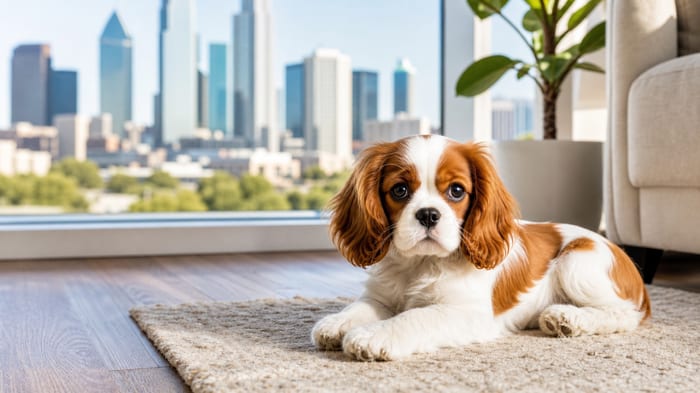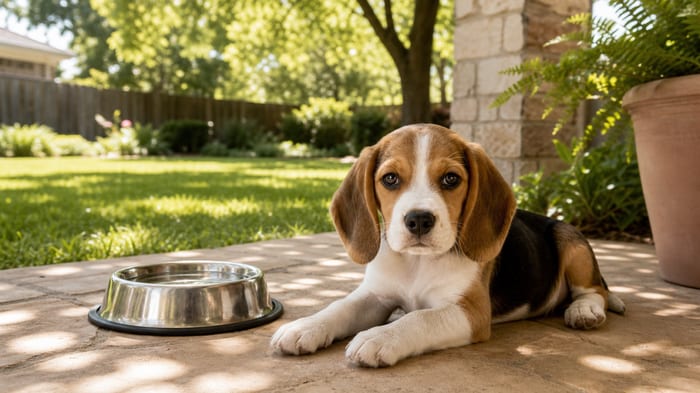
If this is your first dog, the size of the breed matters far less than the question hiding behind it: how much dog can your week realistically absorb? A small puppy is forgiving in some ways and demanding in others, and the breeds that suit a beginner aren’t always the ones people expect. This roundup skips the popularity contest and looks at the four small breeds we’d actually point a first-timer toward — and the honest reasons why.
What “Beginner-Friendly” Actually Means in a Small Dog
People hear “small dog” and picture “easy dog.” The two aren’t the same. A tiny breed still chews, still needs house-training, still wakes you at dawn for a few weeks. What makes a small breed genuinely beginner-friendly comes down to three things working in your favor at once.
The first is temperament that bends toward people. A first dog should want to be near you, not run the household. Breeds that bond hard and look to their owner for cues are easier to train, because the dog is already paying attention.
The second is a grooming load you’ll actually keep up with. A gorgeous coat you brush twice and abandon turns into a vet-and-groomer expense and a miserable dog. Be honest about the comb time you’ll really put in.
The third is a forgiving margin for mistakes. First-timers get the timing wrong, miss a potty cue, leave a shoe out. The best beginner breeds shrug that off instead of spiraling into anxiety or stubbornness.
Four Small Breeds We Steer Beginners Toward
These four come up again and again when a first-time owner walks into one of our DFW locations unsure where to start. None is “the best” in the abstract — each fits a different kind of beginner.
The Cavapoo — the low-friction all-rounder
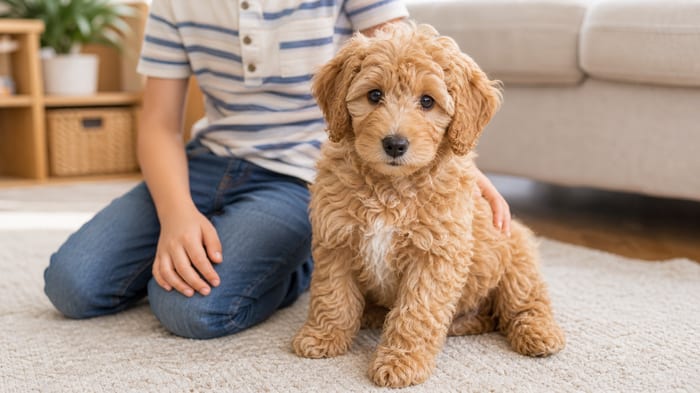
If you want the shortest list of surprises, start here. A Cavapoo blends the Cavalier King Charles Spaniel’s want-to-please softness with the Poodle’s quick brain, and the result is a dog that learns fast and rarely sulks. The low-shedding coat is a real draw for allergy-leaning households, but be clear-eyed: low-shedding means more grooming, not less. Plan on a brush most days and a trim every six to eight weeks. For a beginner who wants an affectionate, trainable companion and doesn’t mind coat upkeep, it’s hard to beat.
The Shih Tzu — calm in close quarters
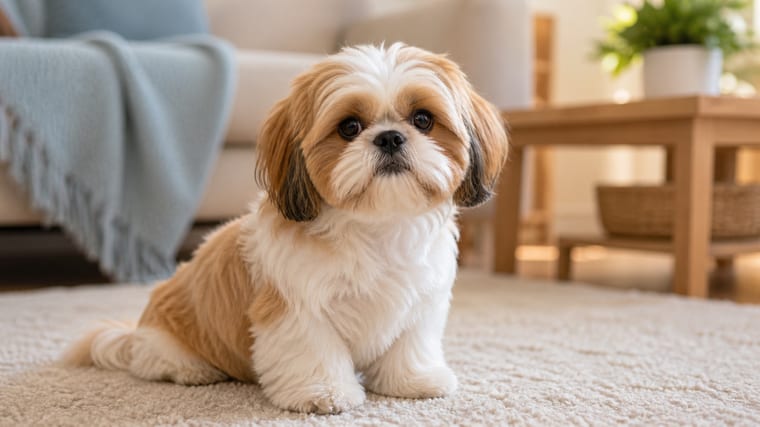
The Shih Tzu was bred for centuries to be a companion and nothing else, and it shows. It’s content, low-key, and unbothered by small spaces — which makes it a strong pick if you’re in an apartment near downtown Dallas or a smaller place in Fort Worth. Training is easy on the obedience front and slower on the house-training front, so patience early pays off. That long coat needs daily brushing or a regular short “puppy cut” to stay sane. A flat face also means heat caution in a Texas summer.
The Maltese — small footprint, big attachment
A Maltese is featherlight, devoted, and happy to be a true lap dog. For a first-timer with a quieter home, the appeal is obvious: a dog this size is easy to travel with, easy to manage, and bonds deeply. The trade-offs are real, though. The white silky coat mats fast without daily attention, and a dog this attached can lean toward separation anxiety if it’s alone all day. Best for someone home often who’ll commit to the comb.
The Yorkshire Terrier — confident in a tiny package
Don’t let the size fool you — a Yorkie has terrier in it, which means brains, boldness, and a streak of independence. That makes it more dog than its weight suggests, and a wonderful match for a beginner who wants personality and is willing to be consistent. Early, gentle training keeps the confidence from tipping into bossiness. The silky coat is lower-volume than a doodle’s but still needs regular grooming or a practical trim. Sturdier than it looks, but still a small dog around very young children.
Quick Comparison for the Undecided
When you’re choosing your first dog, it helps to see the trade-offs side by side rather than breed by breed.
| Breed | Grooming load | Energy | Best beginner fit |
|---|---|---|---|
| Cavapoo | Moderate–high (low-shed, needs trims) | Moderate | Wants an easy-to-train all-rounder |
| Shih Tzu | High coat / low fuss otherwise | Low | Apartment, calm household |
| Maltese | High (daily brushing) | Low–moderate | Home often, wants a true lap dog |
| Yorkshire Terrier | Moderate | Moderate–high | Wants personality, will stay consistent |
The pattern worth noticing: there’s no zero-grooming small dog on this list. Small coats are fine coats, and fine coats need a comb. If grooming time is your hard limit, the honest move is a shorter “puppy cut” you maintain — not a breed that magically skips the brush.
How to Pick the One That Fits Your Week
The breed name matters less than how it lands in your actual routine. A few questions cut through the noise faster than any breed list.
- How many hours is the dog alone on a normal day? Long stretches alone steer you away from the most attachment-prone breeds and toward a more self-contained one.
- How much grooming will you really do — not aspire to do? Be honest, then plan for a trim schedule that matches reality.
- Is anyone in the home sensitive to dander? That nudges you toward the low-shedding coats, with the grooming trade-off baked in.
- How active is your household? A higher-energy Yorkie wants more engagement than a content Shih Tzu.
There’s one thing no chart settles: how a particular puppy feels in your hands. Two littermates can have different temperaments, and a calm afternoon meeting tells you more than any breed profile. That’s the part we’d never want you to skip.
A Texas Note Worth Mentioning
Three of the four breeds here — the Cavapoo, Shih Tzu, and to a degree the Maltese — carry shorter muzzles or heavy coats that don’t love a North Texas July. None of that rules them out; plenty of small dogs thrive across the metroplex. It just means morning and evening walks instead of midday ones, water and shade always within reach, and never a puppy left in a parked car. A little heat planning goes a long way down here.
Where to Start Looking
If a low-shedding, easy-going companion is calling to you, the Cavapoo is the most beginner-proof of the four. Drawn to a calmer lap dog instead? The Shih Tzu and the Yorkshire Terrier sit at opposite ends of the energy scale, so meeting both is a useful way to feel the difference. You can also browse the full run of small and toy breeds we keep across both DFW locations — inventory shifts daily, so it’s worth a look in person, where you can see which puppy settles into your arms first.
First-Time Owner Questions, Answered
What is the easiest small dog for a first-time owner?
For most beginners, the Cavapoo is the easiest all-rounder: it’s eager to please, quick to train, and rarely stubborn. If you want something calmer and more apartment-friendly, the Shih Tzu is a strong second. The “easiest” breed is really the one whose grooming and energy match your honest weekly routine.
Are small dogs really easier than big dogs for beginners?
Sometimes, but not automatically. Small dogs are easier to manage physically and need less space, but they still require full house-training, socializing, and grooming. Some small breeds also have a stubborn or anxious streak that takes patience. Easy comes from temperament and good habits, not size alone.
Which small breed needs the least grooming?
None of these four are truly low-maintenance — small dogs tend to have fine coats that mat. The Yorkshire Terrier is the lightest of the group, and any of them can wear a short “puppy cut” to cut brushing time. Low-shedding breeds like the Cavapoo actually need more grooming, not less.
Are these small breeds good with young kids?
They can be, with supervision. Small dogs are fragile, so very young children need to learn gentle handling, and a Yorkie or Maltese should never be left unsupervised with a toddler. Calmer breeds like the Shih Tzu often do well in family homes. Always introduce slowly and watch how the dog responds.
How do I choose between two breeds I like?
Meet both in person. Compare how much each is alone during your day, how much grooming you’ll truly keep up with, and your household’s energy level — then let a calm in-person visit break the tie. The puppy that relaxes in your hands tells you more than any list ever will.