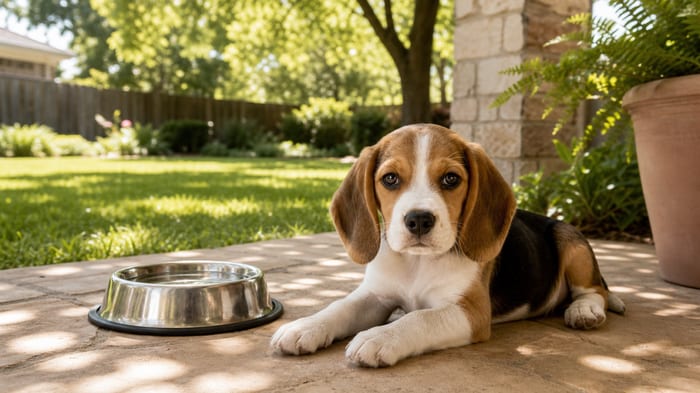
If you’ve fallen for the doodle look but the doodle prices keep pushing you out, the Maltipoo is usually where the math finally works. It’s the smallest, most apartment-friendly entry into the low-shedding crossbred world — a Maltese mixed with a Toy or Miniature Poodle, dialed down to a lap-sized companion. This guide skips the price tag (we cover that elsewhere) and answers the harder questions: how big does it actually get, what is it like to live with, and what does keeping that fluffy coat in shape really involve?
Where the Maltipoo Comes From
A Maltipoo isn’t a breed in the registry sense — it’s a deliberate cross of two old companion lines. The Maltese brings centuries of being bred for one job: keeping a person company. The Poodle, in its Toy or Miniature form, brings a sharp, trainable mind and a coat that sheds very little. Put them together and you get a small dog that’s smart, affectionate, and easy on most allergy-prone homes.
Because it’s a hybrid, no two Maltipoos are stamped from the same mold. A first-generation (F1) pup is a straight 50/50 cross; an F1b leans back toward the Poodle for a curlier, lower-shedding coat. That variability is the whole reason the next two sections matter — you’re choosing a range of outcomes, not a fixed spec sheet.
How Big Does a Maltipoo Get?
Small, but with a wider spread than people expect. Both parent breeds are little, so even a “standard” Maltipoo stays comfortably in lap-dog territory — but the Poodle side determines just how little.
| Maltipoo type | Adult weight | Adult height |
|---|---|---|
| Standard (Toy Poodle cross) | 7 – 14 lbs | 8 – 14 in |
| Mini / smaller standard | 5 – 10 lbs | 8 – 12 in |
| “Teacup” / micro | under 5 lbs | 6 – 8 in |
Two honest notes on that table. First, a Maltipoo doesn’t finish growing until roughly nine to twelve months, so the puppy in front of you isn’t the final size — ask about the parents’ weights for a better forecast. Second, “teacup” isn’t an official category; it’s a marketing word for the smallest end. A dog under five pounds is genuinely fragile, needs careful handling around kids and stairs, and tends to be more prone to the issues that come with extreme small size. Smaller is not automatically better.
What Living With One Is Actually Like
The Maltipoo’s temperament is the reason it keeps showing up on “best first dog” lists. It’s affectionate without being needy, playful without being wild, and clever enough to learn the house rules quickly — provided someone teaches them.
A few things ring true across most Maltipoos:
- They bond hard. This is a velcro dog. It wants to be in the room you’re in, on the couch you’re on. That makes for a wonderful companion and a real risk of separation anxiety if it’s left alone for long, unstructured stretches.
- They’re smart, and that cuts both ways. Poodle intelligence means fast learning — house-training, simple commands, tricks. It also means a bored Maltipoo invents its own entertainment, and you may not love the results.
- They can be vocal. Small companion dogs often alert-bark at the door, the hallway, the squirrel. It’s trainable, but worth knowing before move-in day if you share a wall.
- They’re gentle, not delicate-tempered. Good with considerate kids and other pets, though their small frame means roughhousing should be supervised.
The honest version: a Maltipoo is low-maintenance in energy and high-maintenance in attention. It asks for a daily walk and some play, not a marathon — but it genuinely wants your company, and it’s happiest in a home where it isn’t alone all day.
The Grooming Reality Nobody Mentions
Here’s where the low-shedding coat earns its keep — and sends you a bill. “Hypoallergenic” and “non-shedding” do not mean “low-effort.” A Maltipoo’s soft, often wavy-to-curly coat doesn’t drop hair around the house; instead, the loose hair stays in the coat and mats if you ignore it. That trade is the single most underestimated part of owning one.
What the routine actually looks like:
- Brushing every day, or close to it. A few minutes with a slicker brush and a metal comb, getting down to the skin — not just skimming the top. Skip a week and you’ll find tight mats behind the ears, under the legs, and around the collar.
- A professional groom every 4 to 8 weeks. Bath, trim, nails, ears, sanitary clean-up. In DFW, plan for that as a standing line in the budget, not a once-in-a-while treat.
- Tear staining to manage. The light-coated Maltipoos in particular show reddish stains under the eyes. Daily wiping and keeping the face hair trimmed keeps it in check.
- Ears and teeth. Floppy ears trap moisture, so they need regular checks and cleaning; small breeds are prone to dental crowding, so brushing teeth is not optional.
The shortcut some owners take is a “puppy cut” — keeping the whole coat short. It’s a sensible move for a busy household: less daily brushing, easier grooms, and it suits the long North Texas summer.
Are Maltipoos Hypoallergenic?
Mostly, with a caveat worth saying plainly. No dog is truly 100% hypoallergenic — allergies react to dander and saliva proteins, not just hair. But because Maltipoos shed so little, they spread far less dander around a home, and many people with mild allergies do fine with one. The F1b crosses (more Poodle) tend to be the safest bet for sensitive households.
If allergies are the deciding factor, meet the specific puppy before you commit, and spend real time with it. A reaction shows up in person long before it shows up in a brochure.
Is the Maltipoo Right for Your Home?
A quick gut-check, because the wrong match is unfair to everyone:
- Great fit: apartment or smaller-home dwellers, allergy-prone families, first-time owners, seniors, anyone home enough to give a companion dog company.
- Think twice: households gone 10 hours a day with no plan for it, homes with very young or very rough kids and a teacup-sized pup, and anyone who genuinely won’t keep up with brushing or budget for grooming.
If that second list gave you pause on the coat, a Maltipoo’s slightly sturdier doodle cousins are worth a look — a Cavapoo brings a similar low-shed coat in a marginally larger, mellow package, and a Cockapoo trades a little lap-dog size for a touch more durability. Browsing our full small and toy breeds is a good way to compare frames side by side.
A North Texas Note: Heat and Small Coats
One local wrinkle. A small dog with a dense coat handles a 100-degree Dallas–Fort Worth afternoon worse than its size suggests. Walk early in the morning or after sundown, keep water and shade close, and never leave a Maltipoo in a parked car. A summer puppy cut helps more than people think — it’s comfort, not just convenience, in a North Texas July.
Our Take
A well-started Maltipoo is one of the easiest small dogs to love and one of the easiest coats to neglect — so the families who do best are the ones who walk in with clear eyes about the brushing and the grooming budget. When you meet our Maltipoo puppies in person at either DFW location, ask us anything about the parents, the coat type, and what a realistic week looks like. A clear answer is the whole point of meeting them face to face.
Common Maltipoo Questions, Answered
How big will my Maltipoo get?
Most land between 5 and 14 pounds and 8 to 14 inches tall, finishing growth around nine to twelve months. The Poodle parent’s size matters most — a Toy Poodle cross stays smaller than a Miniature Poodle cross. Asking about the parents’ adult weights gives you the best forecast for an individual puppy.
Do Maltipoos shed a lot?
No — they’re a low-shedding breed, which is part of why allergy-prone homes choose them. The trade-off is that loose hair stays in the coat and mats without regular brushing, so “low-shedding” means more grooming work, not less.
How often does a Maltipoo need grooming?
Brush daily or near-daily down to the skin, and book a professional groom every four to eight weeks for a bath, trim, nails, and ears. Many DFW owners keep a short “puppy cut” to cut down on both the brushing and the summer heat.
Are Maltipoos good for first-time owners?
Generally yes. They’re smart, affectionate, and quick to learn house rules, which suits beginners well. The two things to plan for are the grooming commitment and their dislike of long days alone — a Maltipoo wants company more than it wants space.
Are Maltipoos hypoallergenic?
No dog is fully hypoallergenic, but Maltipoos shed and spread so little dander that many people with mild allergies tolerate them well. The Poodle-heavier F1b crosses tend to be the safest choice for sensitive households — and meeting the specific puppy in person is the only real test.